Unifying the National Museum of Play: From Brand Fragmentation to Visual Cohesion
The National Museum of Play
Role
Brand Designer
Project Type
Brand Identity
Duration
6 weeks
Deliverables
Logo, mockups
poster, sitemap,
merch

Problems
The previous brand was inadequate. It failed to capture the full value of what this organization offers. This isn't just a museum. It's a library, a preschool, an educational institution, and home to a butterfly garden.
Objectives
Unifying the National Museum of Play brand under a flexible design system that can be used for all the institutions. Advocating its mission of representing the history and the study of play that promotes the academic institutions and the preschool.
Goals
Making sure this rebrand appeals to adults, too. Marketing to only kids leaves money on the table and missed opportunities. Building a design system that serves the organization’s needs and advocates its own mission of communicating the real value of play.
“Play touches and stimulates vitality, awakening the whole person—mind and body, intelligence and creativity, spontaneity and intuition. ”
Define
1
The museum is one of six institutions that make up The Strong Organization. It was started by philanthropist Margaret Woodbury Strong. It’s a popular place that brings in millions of visitors.
2
It started as a museum but, now includes a library, a preschool, an academic institution, and is home to a butterfly garden. The museum's history and academic work was being left out.
3
Aiming to unify the relationship between the museum and the other institutions. Approaching this project as a challenge to communicate play that covers these areas.
Research
4
They were all part of the same community but the brand didn’t show that. That says everything about who the real audience should be. Adult toy collectors are being ignored and they shouldn’t because most toy purchases are made by adults.
5
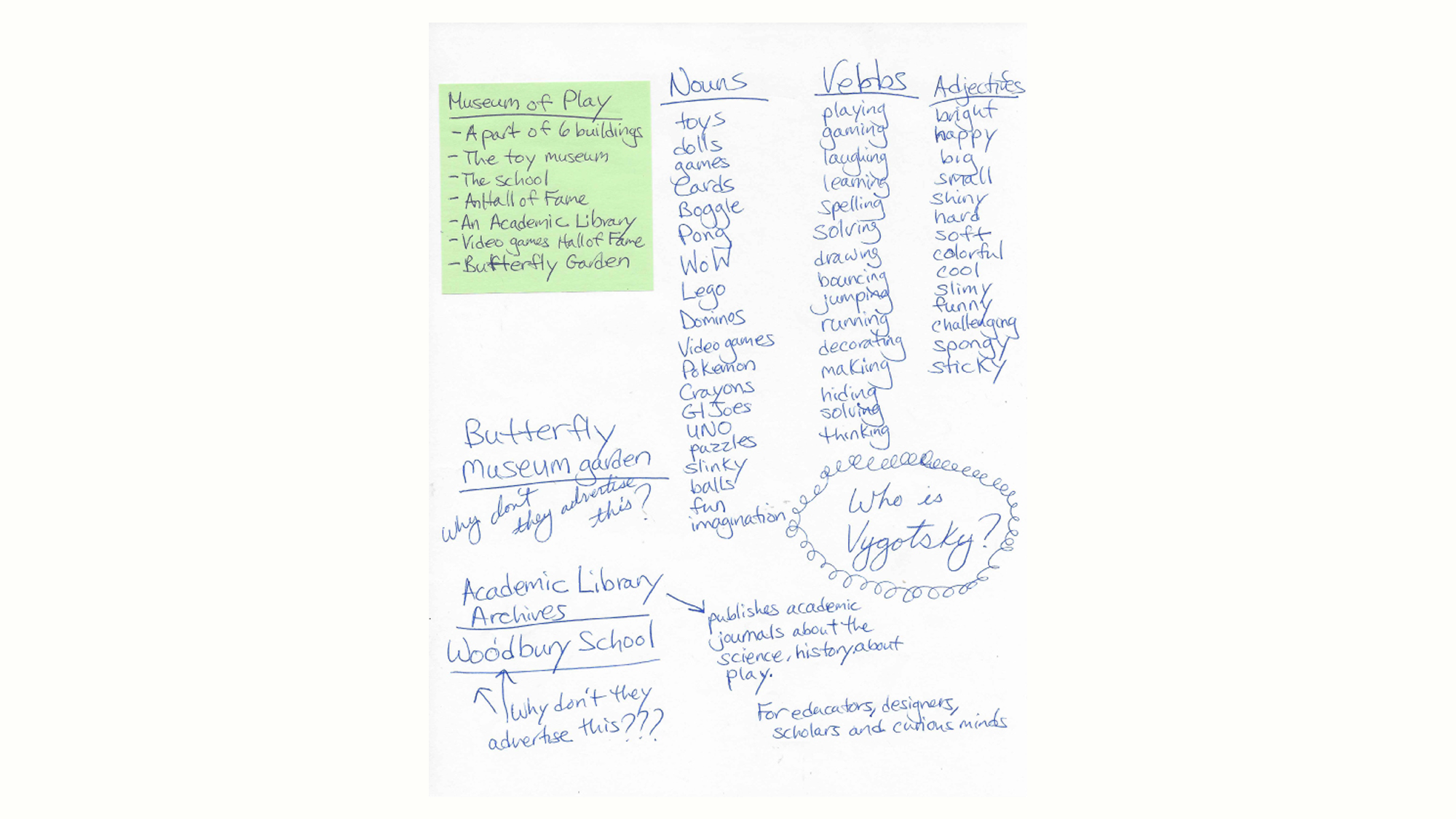
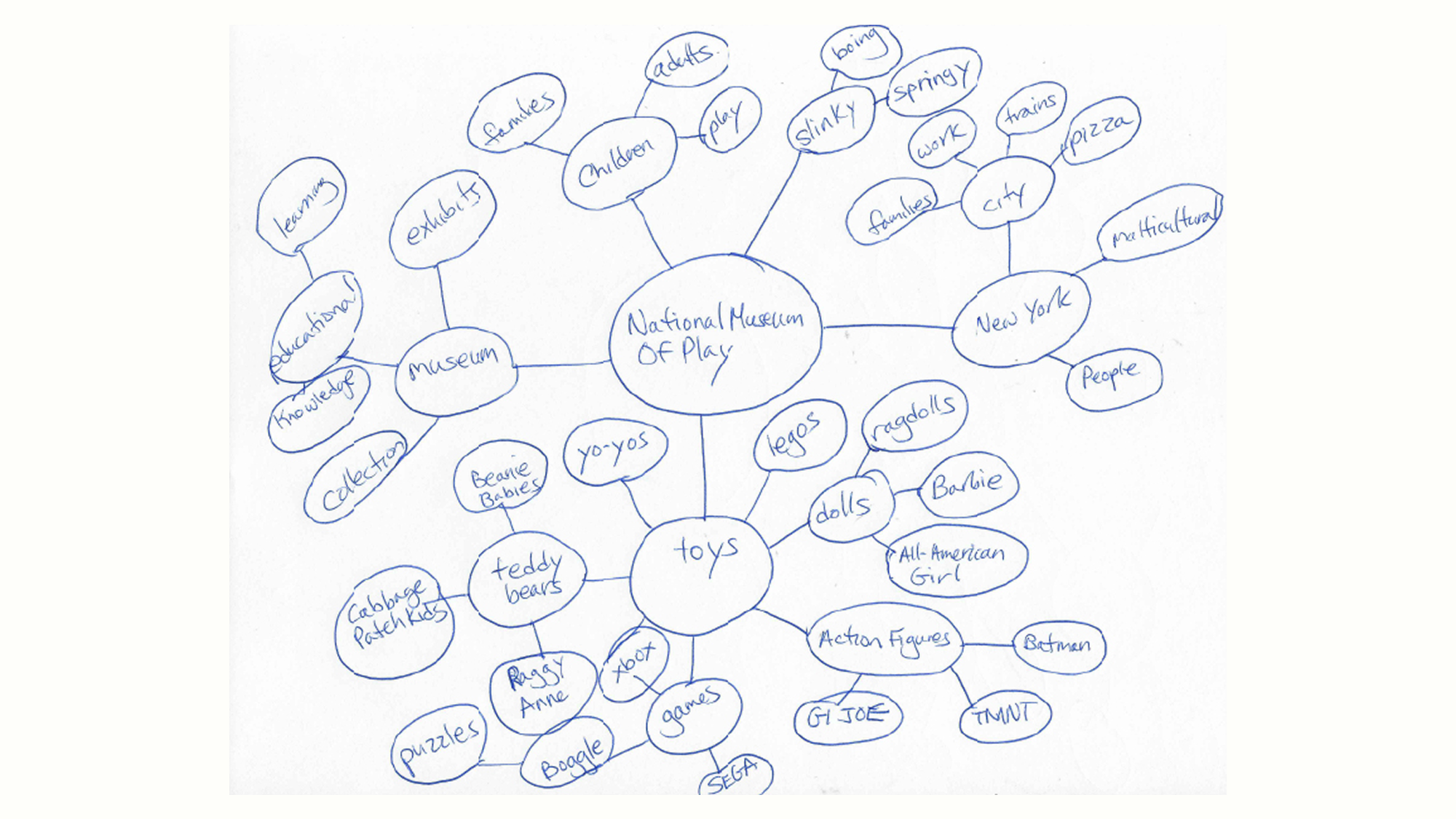
Used word association and spider mapping to explore the relationships between the museum, its institutions, and the concept of playfulness. Building a foundation from that direction and figuring out how to show playfulness without being obvious.
6
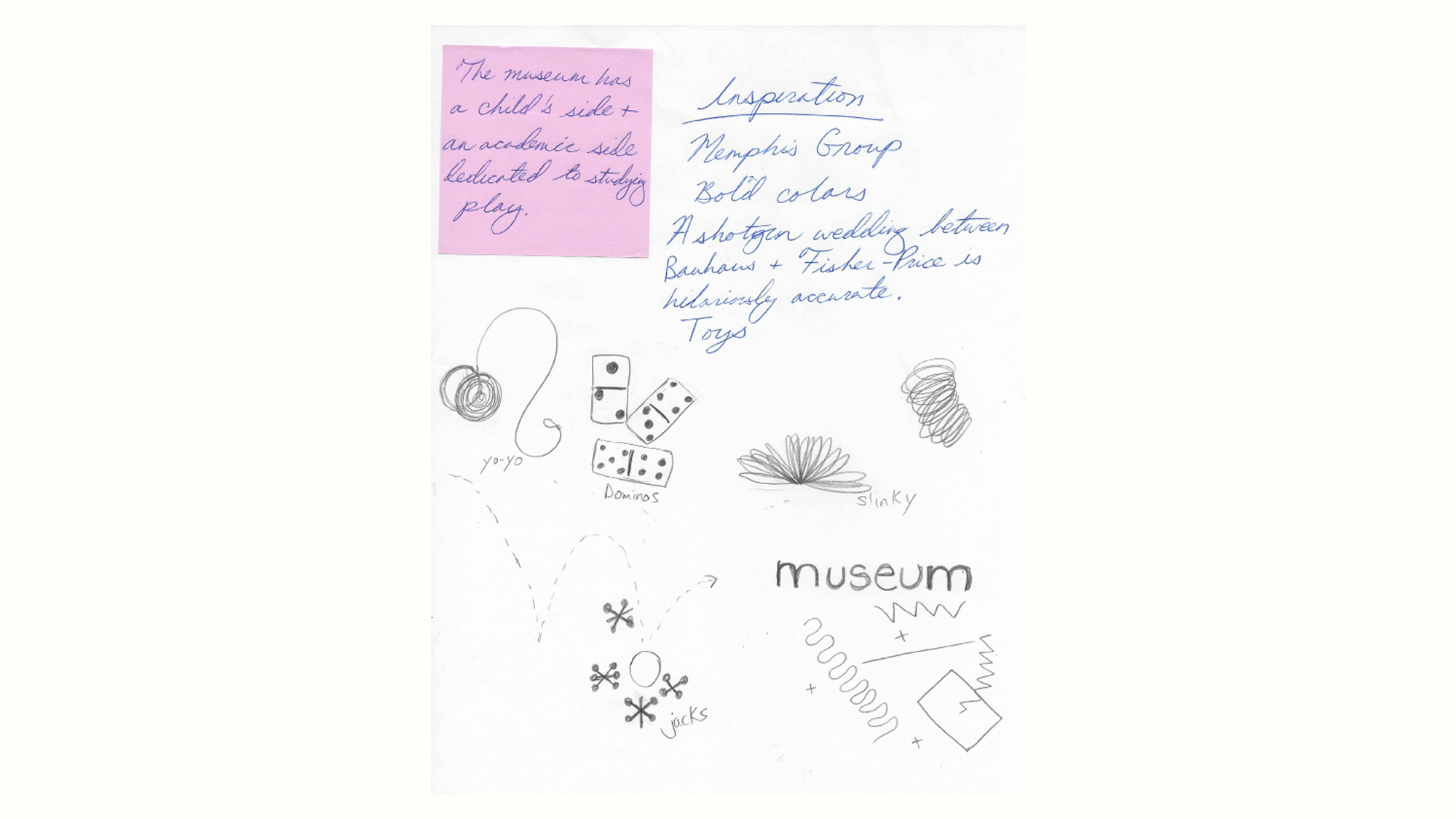
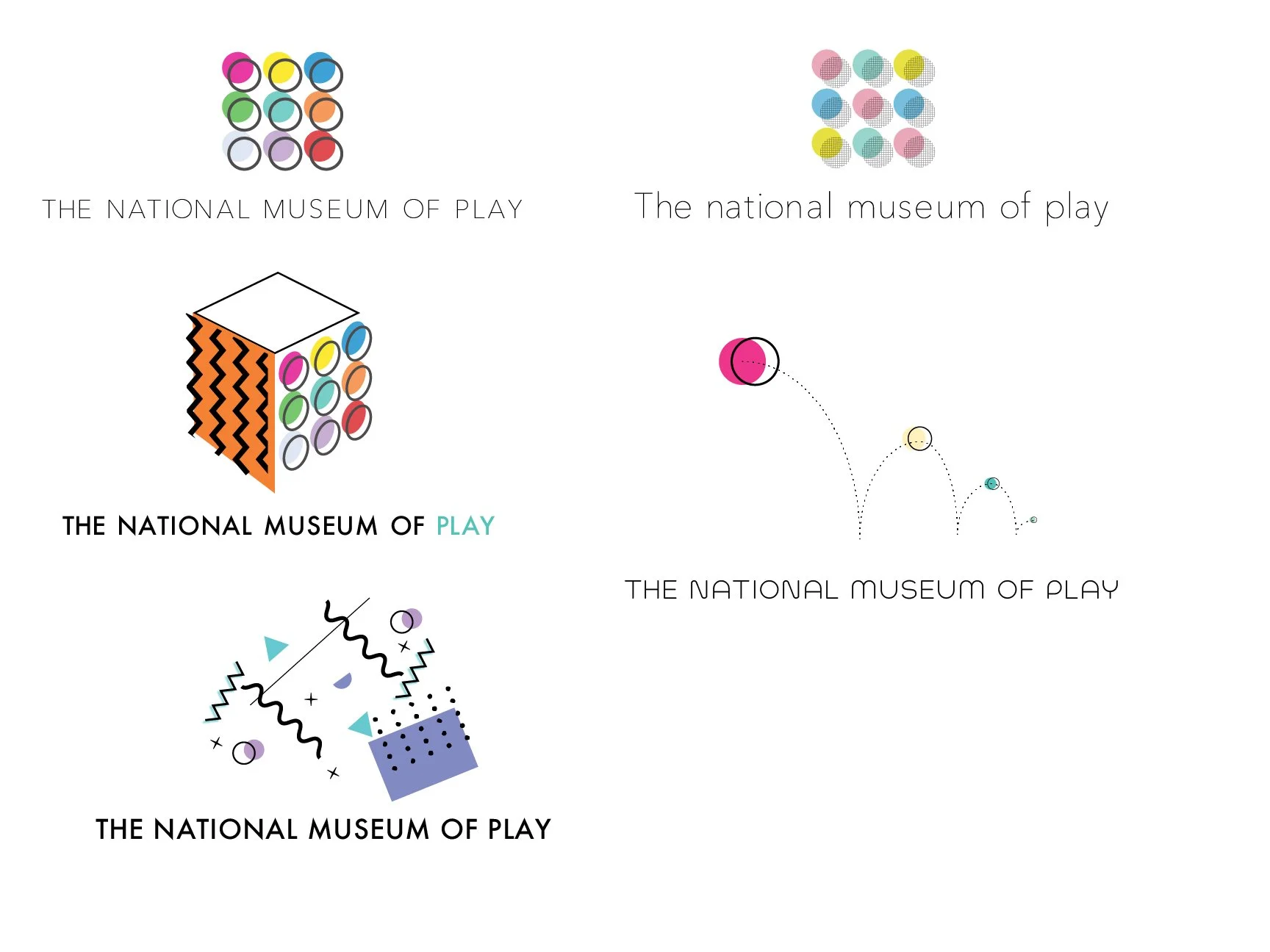
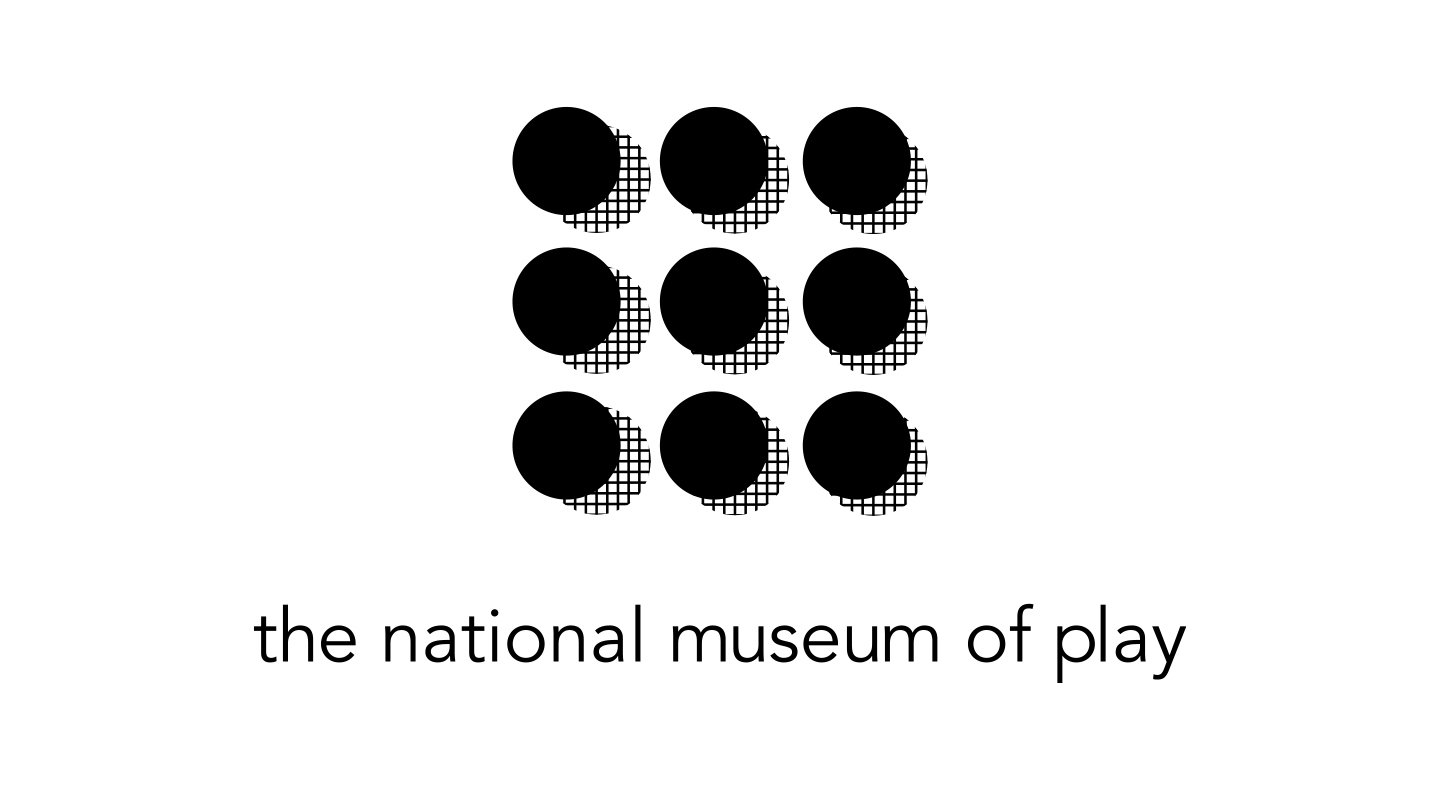
After sketching dozens of toys, I noticed they all shared a thing in common; circles. Balls, yo-yos, dominoes; circles were everywhere. The core idea is to show play through motion and using random circles, zigzags, and lines to create a brand of organized chaos.
Create
7
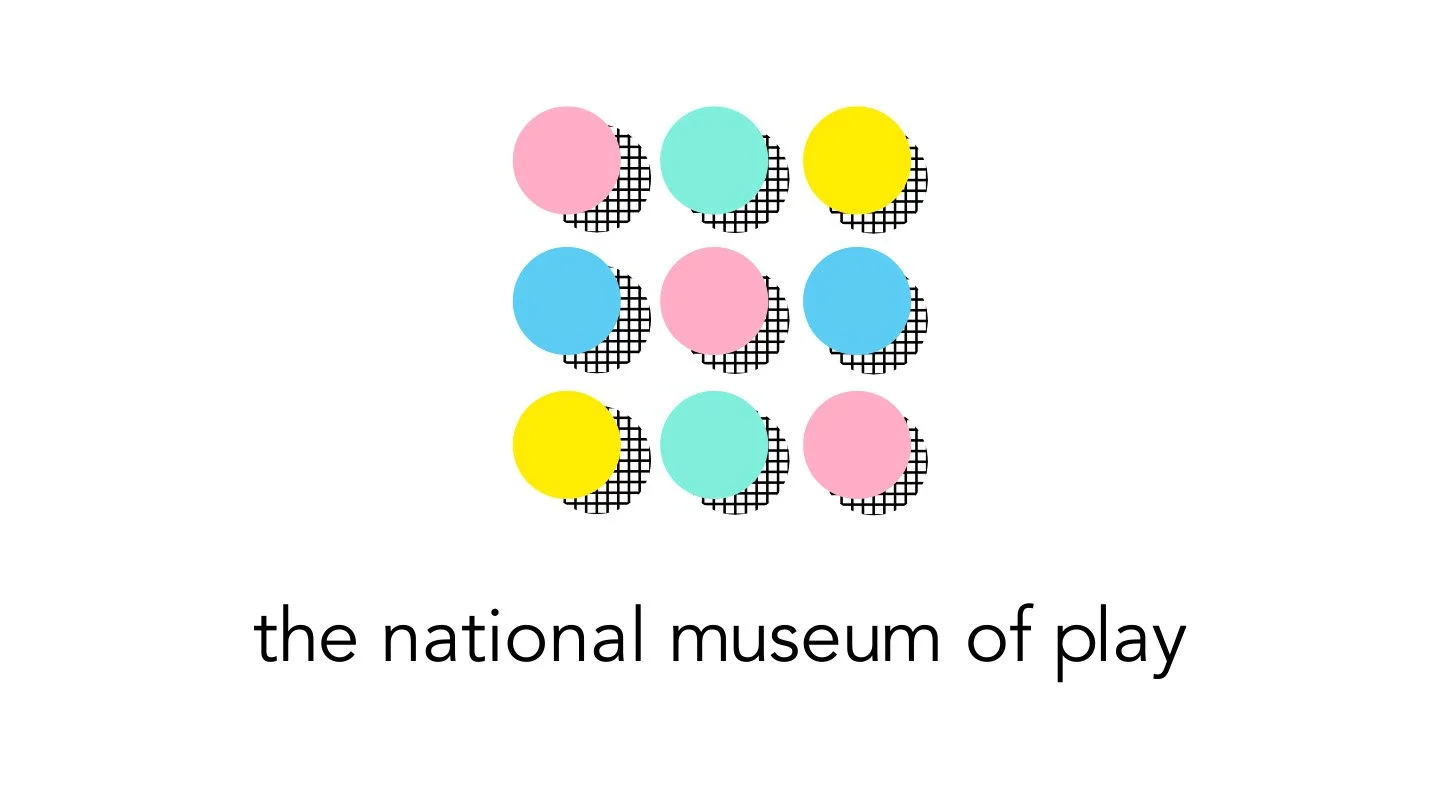
Circles; It was the symbol for play without being so obvious about it. Communicating energy, motion, and playfulness through abstraction rather than illustration. Designed to feel like bold and alive.
8
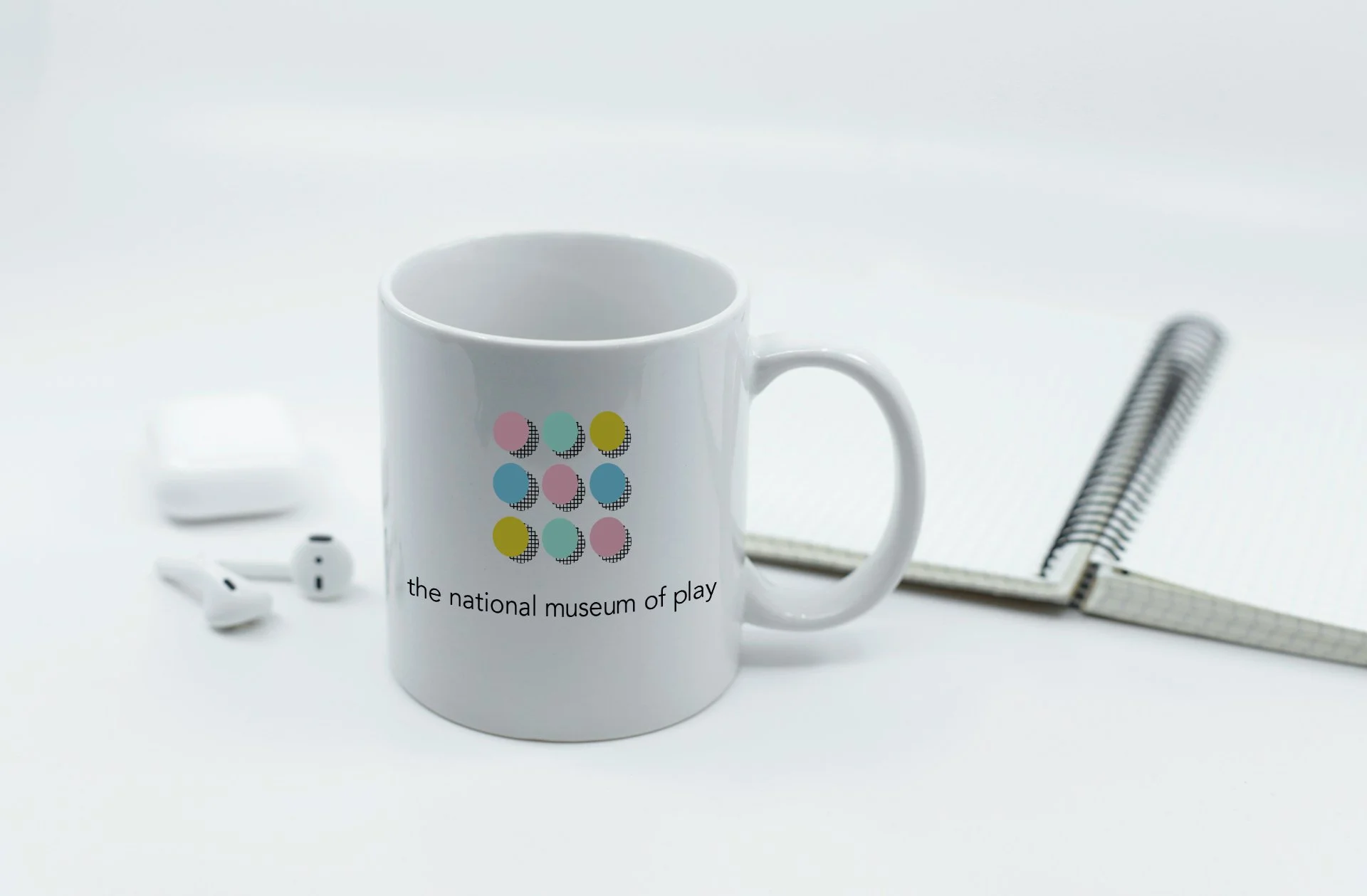
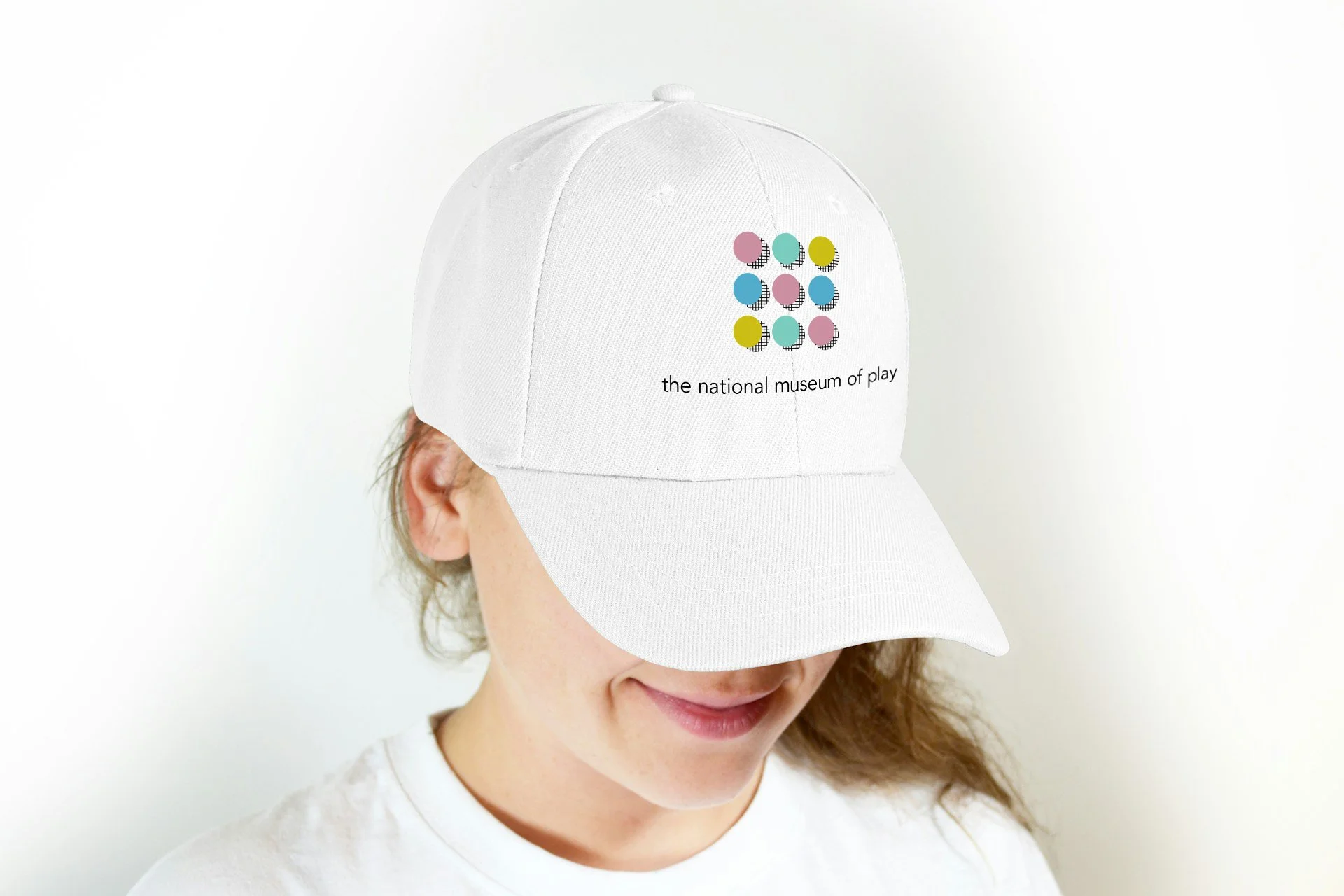
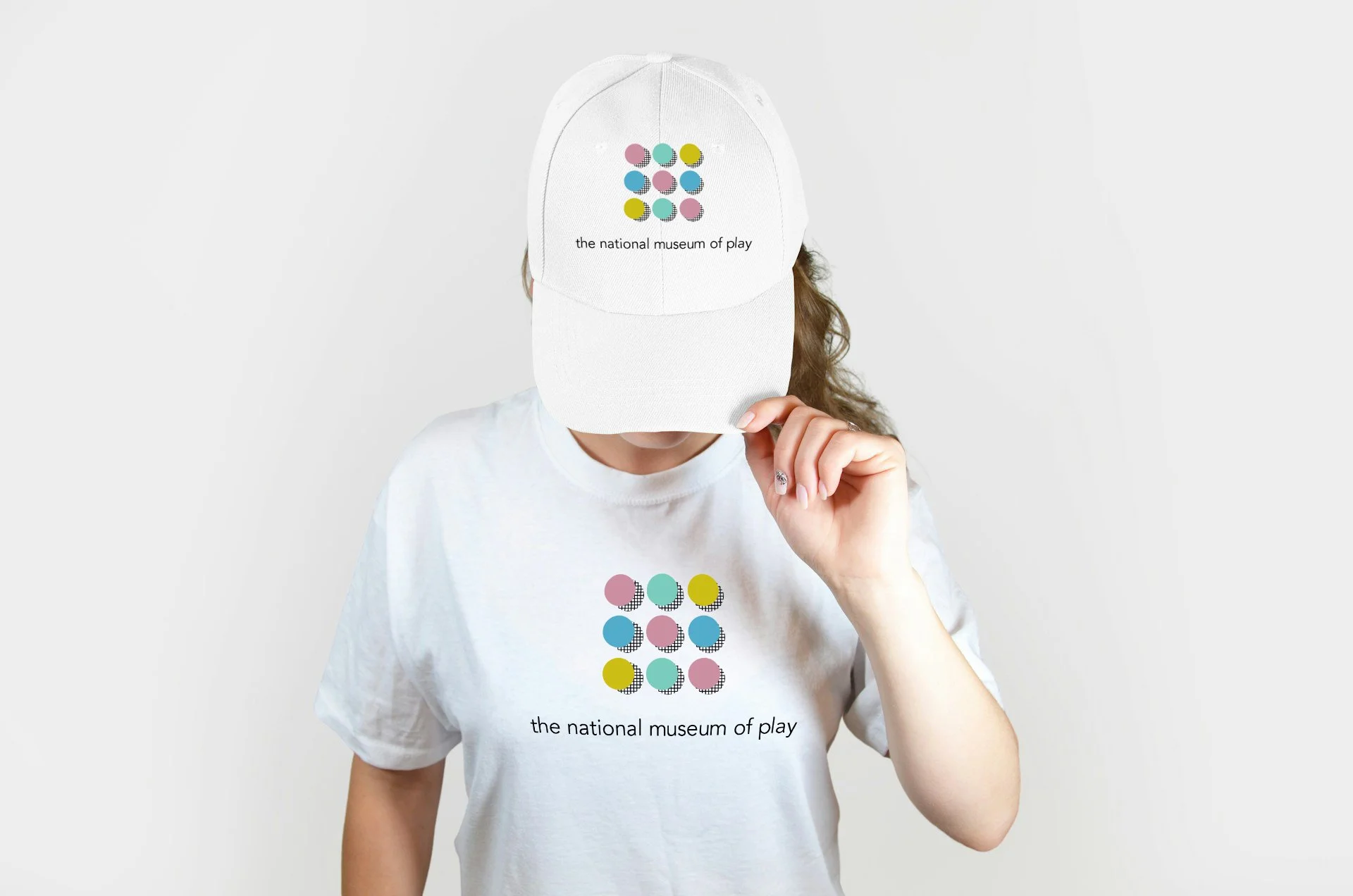
The goal was making a palette that a child would love and an adult toy collector wouldn't be embarrassed by. Choosing pastel pink, teal, yellow, and blues were excellent because these colors grab people’s attention.
9
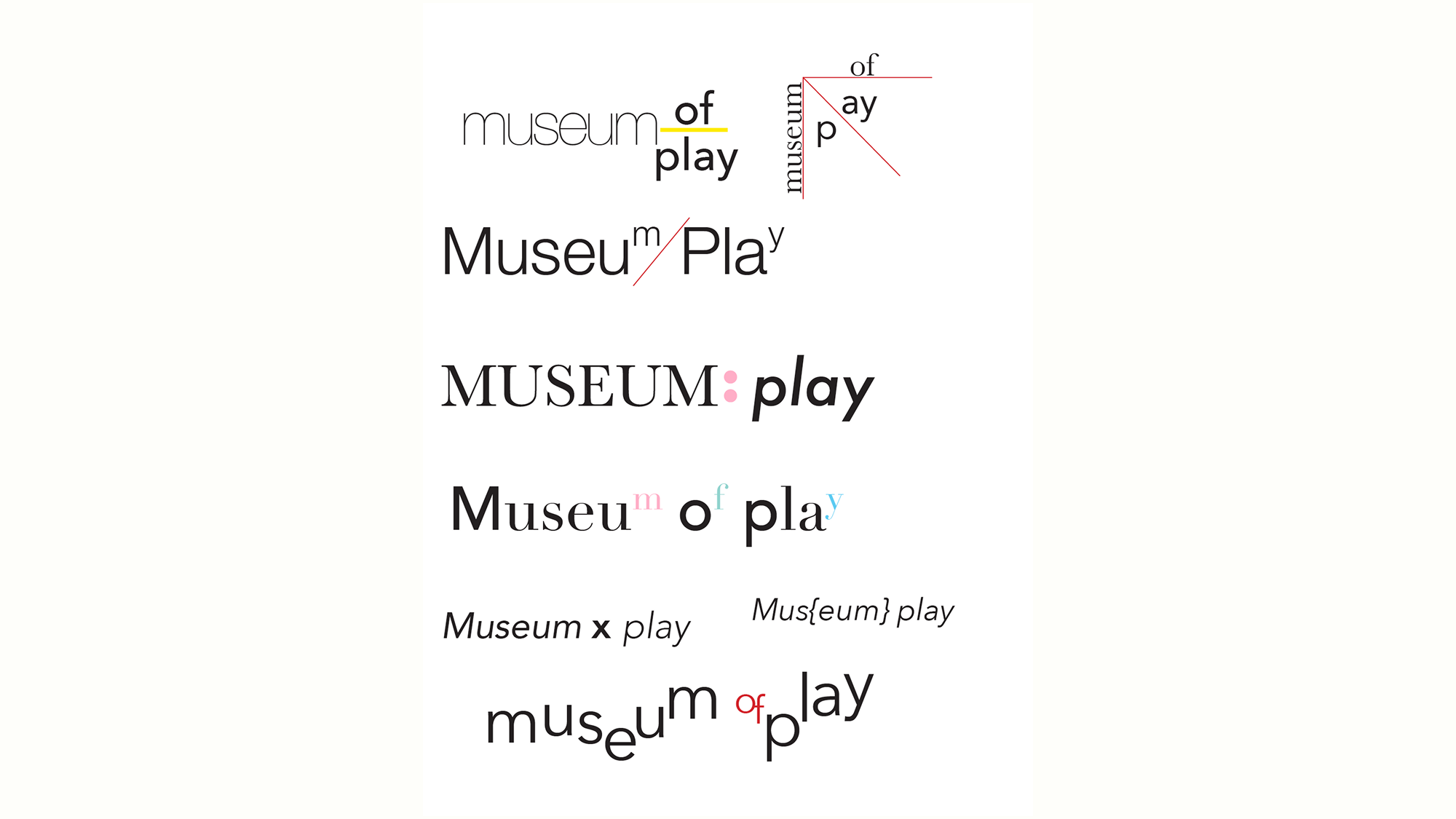
The random shapes, lines, and zigzag elements were the chaos. Typography was the quiet kid in the classroom with chaos happening in the background. The biggest surprise was how well it all came together.

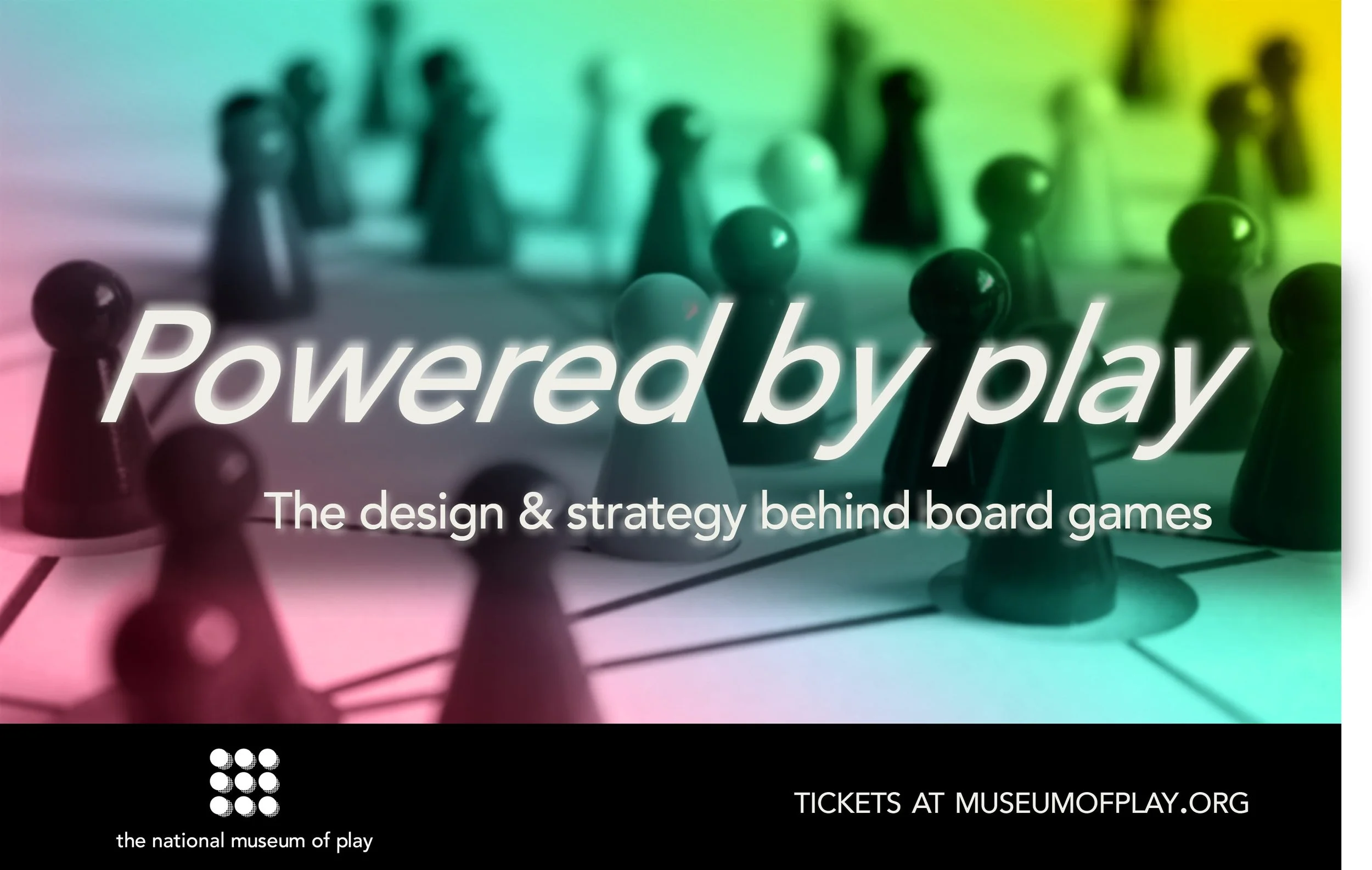
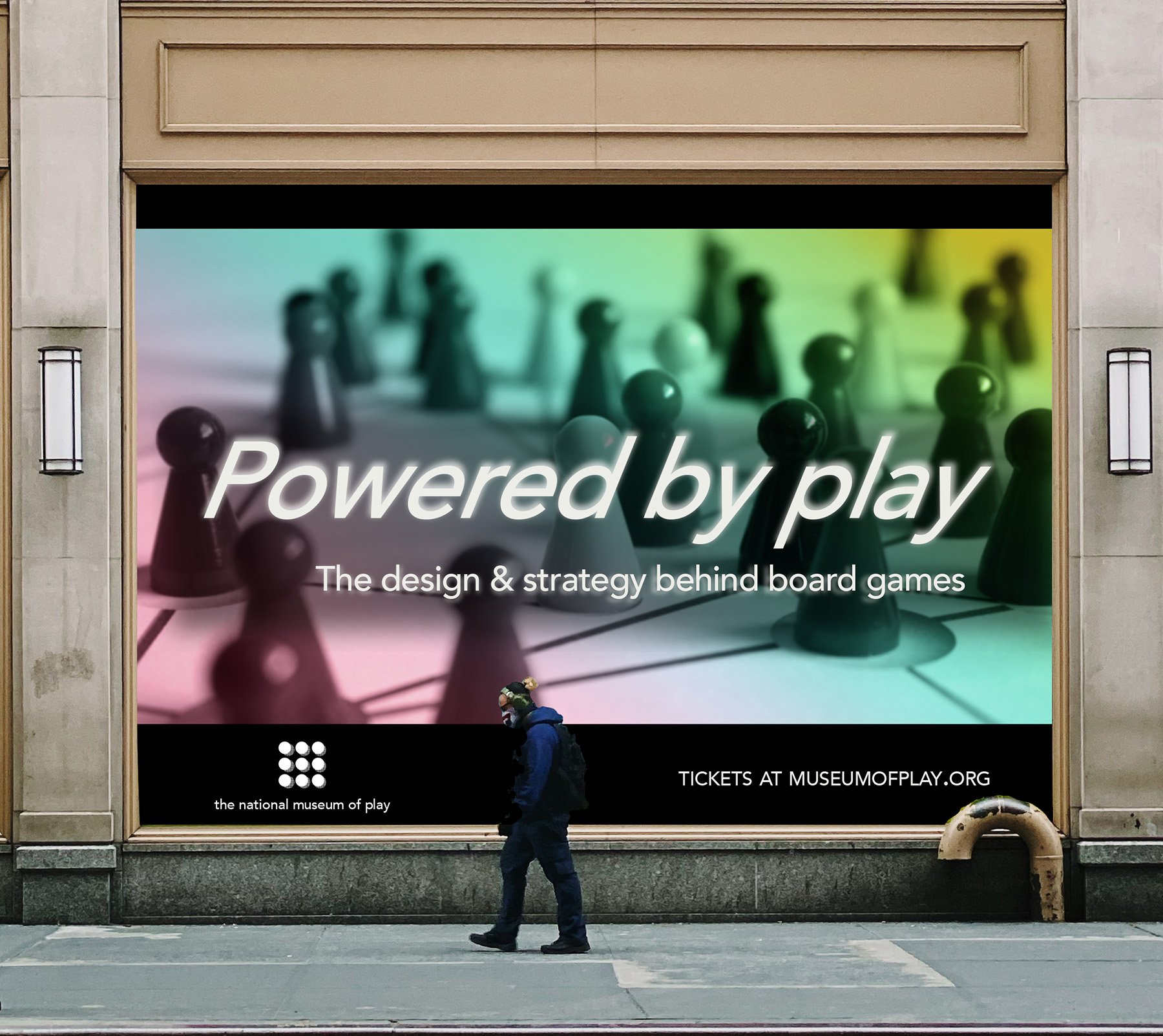
Test
10
The brand successfully bridged the gap between the museum and all of its institutions. Creating a sense of community across everything from the library and archives to the preschool and butterfly garden.
11
The system achieved what it set out to do which was to communicate the idea of playfulness. It was bold enough for kids and sophisticated enough for the adults.
12
If I could go back and change one thing, i’d make the logo more dynamic like I did in The National Cherry Blossom Festival. Dynamic logos pushes the design further and keeps it from feeling repetitive.